Finding a fitness routine that fits into a busy lifestyle can be challenging. Between work commitments, family responsibilities, and everyday schedules, visiting a gym regularly is not always practical. Digital fitness platforms offer an alternative by bringing structured workouts and wellness resources directly to users, allowing them to exercise at home or wherever they feel comfortable. BODi, available at BODi.com, is a fitness and wellness brand associated with at-home exercise programs, nutrition resources, and lifestyle-focused health products.
BODi has built its reputation around guided fitness programs designed for people who want more structure than an unplanned home workout. Rather than relying entirely on gym memberships or personal training sessions, users can explore workout routines and follow a more organized approach to exercise. However, the overall value depends on the programs currently available, the cost of participation, and whether the platform suits an individual’s goals.
In this BODi review, we explore its fitness offerings, workout experience, approach to nutrition, accessibility, pricing considerations, and the type of user who may benefit from its approach to wellness.
What Is BODi?
BODi is a fitness and wellness brand that grew out of Beachbody, a company known for structured home workout programs. It became popular among people looking for guided exercise routines that could be completed without regularly visiting a traditional gym.
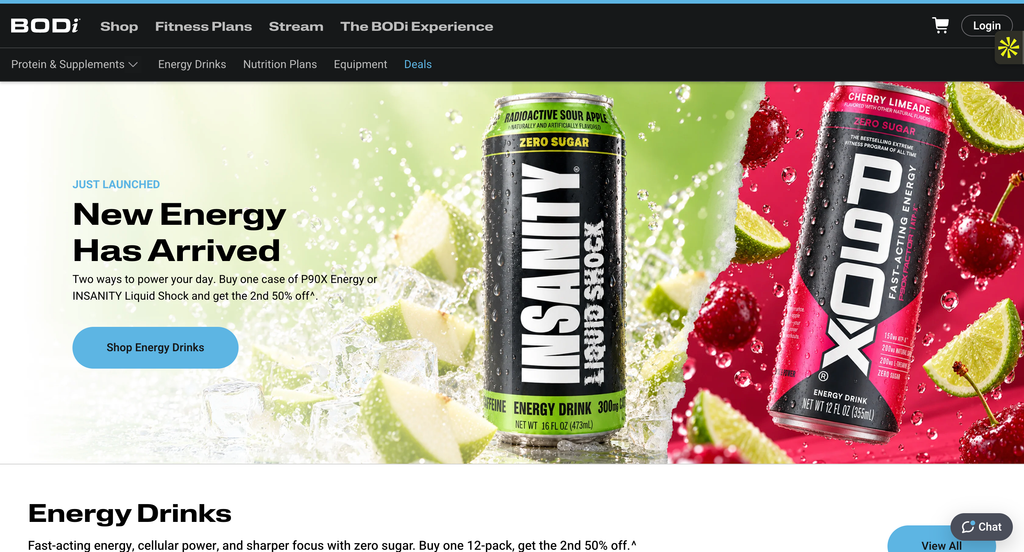
The brand has been associated with recognizable fitness programs, including P90X, INSANITY, and 21 Day Fix. These programs are designed around different training approaches, from demanding bodyweight workouts to structured routines that combine exercise with broader lifestyle habits.
BODi’s wider wellness approach has also included nutrition products, meal-planning resources, and fitness-related guidance. This combination reflects a familiar principle in the health and fitness industry: exercise, nutrition, recovery, and consistency all contribute to a person’s overall routine.
It is important to distinguish the brand’s historical catalog from its current offerings. Fitness companies frequently update their memberships, digital services, product ranges, and purchasing arrangements. Anyone considering BODi should check the official website to confirm which programs and services are currently available in their location.
Fitness Programs for Different Training Goals
One of BODi’s defining features has been its emphasis on structured workout programs. For people who struggle to decide what exercises to perform each day, a planned routine can make exercise easier to organize.
Strength and muscle conditioning
Strength-focused workouts typically use resistance exercises to develop muscular strength and endurance. Depending on the program, training may involve bodyweight movements, dumbbells, resistance bands, or other basic equipment.
For users exercising at home, this approach can be appealing because it reduces the need for a fully equipped gym. A suitable program can provide a framework for training different muscle groups and gradually improving performance.
Beginners should pay attention to exercise technique and choose routines that match their current fitness level. More advanced workouts are not automatically more effective for every individual, particularly when poor form or insufficient recovery increases the risk of injury.
Cardio and high-intensity workouts
BODi has historically been associated with energetic cardio programs, including INSANITY. This style of training often involves bodyweight movements, repeated intervals, and exercises intended to challenge cardiovascular endurance.
Such workouts may appeal to people who enjoy fast-paced sessions and want to improve their aerobic fitness. However, high-intensity exercise can be demanding, especially for individuals who are new to regular training.
Beginners may benefit from starting with lower-impact alternatives, shorter sessions, and rest periods that allow them to maintain proper technique. Anyone with an underlying medical condition should seek appropriate medical guidance before beginning a demanding exercise routine.
Beginner-friendly and structured routines
Not everyone wants an intense workout every day. Some people prefer manageable sessions that gradually introduce exercise habits and build confidence.
Structured programs can help by reducing the need to plan every workout independently. Following a defined schedule may also make it easier to establish a routine and monitor progress over time.
When choosing a program, users should consider the length of each session, the required equipment, the number of weekly workouts, and whether modifications are provided. These practical details often matter more than the popularity of a particular program.
The Convenience of Working Out at Home
Convenience is one of the strongest reasons people explore home fitness programs. Gym travel, membership costs, crowded facilities, and limited operating hours can make traditional exercise routines difficult to maintain.
A home-based workout can remove several of these barriers. Users may be able to exercise before work, during a break, or in the evening without commuting to a fitness facility.
Structured video workouts can also make home exercise less intimidating. Instead of searching for individual exercises and deciding how to arrange them, users can follow an instructor-led routine.
However, the convenience of digital fitness does not eliminate every challenge. People still need sufficient space, appropriate equipment when required, a reliable way to access the workout, and the motivation to follow their schedule.
The effectiveness of a home fitness routine ultimately depends on consistent participation and appropriate training. A simple program followed regularly can be more useful than an ambitious routine that becomes difficult to sustain.
Workout Guidance and the Training Experience
Guided workouts can be particularly helpful for people who prefer demonstrations and instructions rather than written exercise plans.
Instructor-led sessions allow users to observe movements, follow a sequence, and understand how a workout is intended to progress. This format can make exercise more approachable for individuals who are unfamiliar with programming their own routines.
The quality of the experience depends on factors such as the clarity of instruction, workout pacing, exercise modifications, and the suitability of the program for different fitness levels.
Users should remember that watching an exercise demonstration is not the same as receiving individualized coaching. A recorded workout cannot necessarily identify a person’s movement errors or adapt automatically to their medical history, injuries, and physical limitations.
For those learning new movements, starting slowly and prioritizing technique is essential. When possible, beginners can benefit from professional guidance to establish safe exercise habits before progressing to more challenging routines.
Nutrition and Wellness Resources
Fitness is not limited to exercise alone. Eating patterns, hydration, sleep, and recovery all influence how a person feels and performs during training.
BODi has historically incorporated nutrition-related resources into its broader wellness offering. These have included structured eating approaches, meal-planning support, and nutritional products associated with the brand.
For some users, having workout and nutrition resources connected to the same fitness brand may make it easier to organize their routine. Meal-planning guidance can provide a starting point for thinking about food choices, portion sizes, and the relationship between nutrition and physical activity.
Nevertheless, nutritional recommendations should be evaluated carefully. A diet that works for one person may not be suitable for another, particularly when individual calorie requirements, allergies, medical conditions, and cultural food preferences differ.
Users do not necessarily need branded supplements or specialized products to make progress. A balanced diet that provides sufficient protein, carbohydrates, healthy fats, vitamins, and minerals can support many fitness goals. Supplements should be considered according to individual needs rather than as automatic requirements for success.
People with medical conditions or specific dietary restrictions should consult a qualified healthcare professional or registered dietitian before making significant dietary changes.
Pricing and Overall Value
Pricing is an important consideration when evaluating any fitness platform. The cost of using BODi depends on the particular products, programs, or services available at the time of purchase.
Before committing financially, users should review the current pricing information on the official website. They should pay attention to what is included in the advertised price and whether additional purchases are necessary.
For example, the total cost of a home fitness routine may include a program or membership, exercise equipment, nutritional products, or other optional resources. Looking at the complete cost provides a more realistic picture than considering one advertised price in isolation.
It is also worth comparing BODi with other available options. Free workout videos, local fitness classes, gym memberships, and independent fitness applications may provide suitable alternatives depending on a person’s needs.
A paid fitness service can offer value when its structure, guidance, and content help someone exercise consistently. However, the most expensive option is not necessarily the most effective. Users should prioritize the quality of the training experience and the likelihood that they will maintain the routine over time.
Since subscription arrangements and product availability may change, it is sensible to confirm billing frequency, renewal conditions, cancellation procedures, and any applicable refund policy before purchasing.
Ease of Use and Accessibility
A fitness platform should make it relatively straightforward to find suitable workouts and understand how to follow them. Clear program descriptions, equipment requirements, session durations, and difficulty levels can help users select an appropriate starting point.
For home exercisers, accessibility also includes the ability to fit workouts into different schedules. A person with limited time may prefer shorter sessions, while someone preparing for a specific athletic goal might want a more comprehensive training plan.
Equipment requirements deserve particular attention. Some programs may be manageable with bodyweight alone, whereas others may require dumbbells, resistance bands, or additional space. Checking these details in advance can prevent unexpected expenses and help users decide whether a program is practical for their home environment.
The exact digital experience, available features, and supported services should be confirmed through BODi’s current official listings rather than assumed from older descriptions of the brand.
Who Should Consider BODi?
BODi may be worth exploring for people who prefer structured home workouts and want a defined approach to their exercise routine.
Busy professionals may appreciate the possibility of exercising without traveling to a gym, provided the available sessions fit their schedules.
Home fitness enthusiasts may find instructor-led routines useful when they want more organization than independently selecting exercises.
People who enjoy following a program may benefit from having a clear training sequence instead of making daily workout decisions from scratch.
Experienced exercisers may be interested in more challenging routines, depending on the programs currently offered and whether they match their training goals.
However, BODi may be less suitable for people who prefer in-person coaching, need individualized rehabilitation, or want access to specialized gym equipment. Those who are new to exercise should also be selective about program intensity and avoid assuming that demanding workouts are necessary to achieve results.
Ultimately, choosing a fitness solution should begin with an honest assessment of personal goals, current ability, budget, available time, and preferred style of exercise.
Is BODi Worth It?
Whether BODi is worth considering depends on what a user expects from a fitness and wellness brand. Its history of structured workout programs gives it a recognizable place in the home fitness market, particularly for people who prefer guided training over designing their own routines.
The potential appeal lies in combining planned exercise with broader wellness resources. A well-matched program can help reduce the uncertainty involved in starting a fitness routine and provide a framework for developing consistency.
At the same time, no platform can guarantee results simply by providing workouts. Progress depends on several factors, including training frequency, exercise selection, recovery, nutrition, and individual circumstances. Users should also assess whether the current products and services justify their cost when compared with alternatives.
It is especially important to review the current membership model and product availability before making a purchase. The brand’s previous offerings should not automatically be taken as evidence that every historical program or service remains available today.
Final Verdict
BODi is a recognizable name in home fitness, with a history of structured workout programs and a broader approach to exercise and nutrition. Its training philosophy may appeal to individuals who want guidance, enjoy following planned routines, and prefer exercising outside a traditional gym.
The brand’s suitability ultimately comes down to the specific programs and services currently available, their price, and how well they match an individual’s fitness level and lifestyle.
For prospective customers, the best next step is to explore the official BODi website, compare the available options, and review the terms carefully before committing to a purchase. Choosing a realistic program and following it consistently will generally matter more than selecting a particular brand.